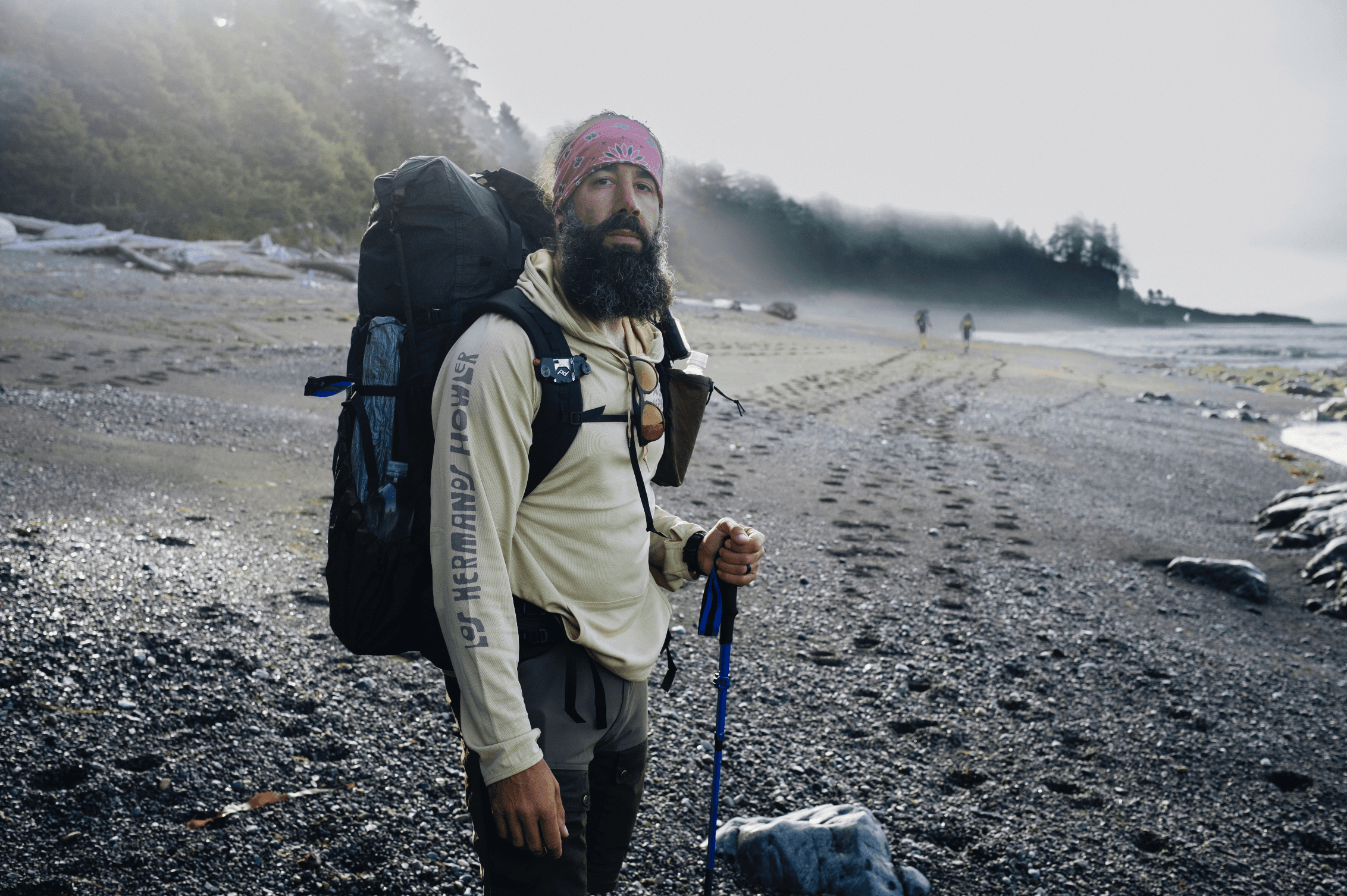
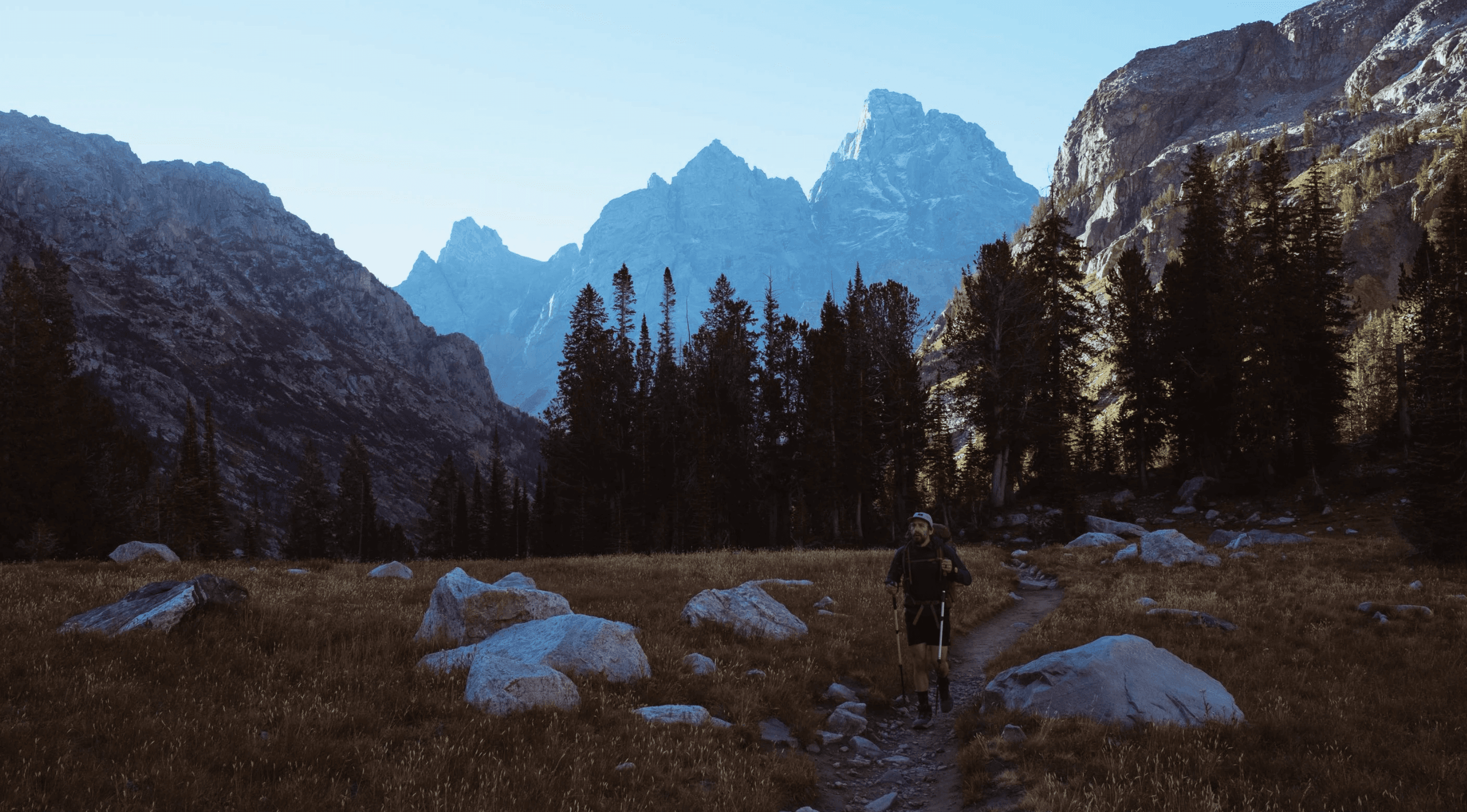
Solo Appalachian Trail Expedition
CATEGORY
Traverse
SEASON
Summer
LOCATION
Fontana Dam
DATE
Aug 16, 2025

Expedition Itinerary: Smoky Mountain Traverse
Primary Objective: end-to-end traverse
Trip Duration: 5 days
Total Estimated Mileage: ~40 miles
Experience Level: advanced
Terrain Type: forested mountains
- Cumulative elevation gain/loss (ft): +5,000 ft
- Start and end trailhead: Fontana Dam Trailhead, NC to Clingmans Dome Trailhead, TN
- GPS coordinates: Fontana Dam (35.4553, -83.8115), Clingmans Dome (35.5629, -83.4983)
- Permits: Obtain through Great Smoky Mountains National Park website
---
DAY 1: Fontana Dam to Russell Field Shelter
- Distance and elevation gain/loss: 12 miles, +3,000 ft
- Primary trail(s) used: Appalachian Trail
- Terrain description: Forested with gradual climbs
- Notable features or side quests: Fontana Lake views
- Key water sources: Mollies Ridge Shelter
- Campsite location: Russell Field Shelter
- Wildlife or safety notes: Bear activity; use provided bear cables
- Trail tip: Start early to tackle elevation
---
DAY 2: Russell Field Shelter to Derrick Knob Shelter
- Distance and elevation gain/loss: 8 miles, +1,500 ft
- Primary trail(s) used: Appalachian Trail
- Terrain description: Mixed hardwood forests
- Notable features or side quests: Spence Field views
- Key water sources: Russell Field Shelter and Derrick Knob Shelter
- Campsite location: Derrick Knob Shelter
- Wildlife or safety notes: Water can be scarce, plan accordingly
- Trail tip: Maintain steady pace to manage elevation
---
DAY 3: Derrick Knob Shelter to Silers Bald Shelter
- Distance and elevation gain/loss: 6 miles, +500 ft
- Primary trail(s) used: Appalachian Trail
- Terrain description: Ridge walking with some steep sections
- Notable features or side quests: Silers Bald views
- Key water sources: Silers Bald Shelter
- Campsite location: Silers Bald Shelter
- Wildlife or safety notes: Bear cables available
- Trail tip: Rest and enjoy the ridgeline vistas
---
DAY 4: Silers Bald Shelter to Double Spring Gap Shelter
- Distance and elevation gain/loss: 5 miles, +500 ft
- Primary trail(s) used: Appalachian Trail
- Terrain description: Dense forest, moderate elevation
- Notable features or side quests: Views of Clingmans Dome
- Key water sources: Silers Bald Shelter and Double Spring Gap Shelter
- Campsite location: Double Spring Gap Shelter
- Wildlife or safety notes: Caution with unpredictable weather
- Trail tip: Prepare for potential rain
---
DAY 5: Double Spring Gap Shelter to Clingmans Dome Trailhead
- Distance and elevation gain/loss: 9 miles, +500 ft
- Primary trail(s) used: Appalachian Trail
- Terrain description: Gradual ascent to Clingmans Dome
- Notable features or side quests: Summit Clingmans Dome for panoramic views
- Key water sources: Check water availability at shelters
- Campsite location: N/A - last day
- Wildlife or safety notes: Crowds near Clingmans Dome
- Trail tip: Capture sunrise at Clingmans Dome for breathtaking views
---
CAMPSITE INTEL
- Camp names and elevation: Russell Field Shelter (4,290 ft), Derrick Knob Shelter (4,880 ft), Silers Bald Shelter (5,460 ft), Double Spring Gap Shelter (5,507 ft)
- Fire restrictions: No open fires allowed
- Bear safety and food storage: Use bear cables at shelters
- Best views (sunrise/sunset): Clingmans Dome for sunrise
- Noise level or solitude factor: Moderate; varies by shelter
- Nearest water source: At or near each shelter
---
WEATHER & ALTITUDE NOTES
- Typical temps: 50-70°F in August
- Sun exposure: Moderate with dense canopy
- Acclimatization tips: Stay hydrated, rest if needed
---
GEAR CHECKLIST (10 ESSENTIAL ITEMS)
List tailored to terrain and season
Include 1–2 pro tips (e.g. smart gear swaps):
- Navigation tools (map, compass)
- Water filtration system
- Sunscreen and sunglasses
- First aid kit
- Fire starter and matches
- Pocket knife
- Headlamp with extra batteries
- Shelter system (tent, tarp)
- Insulating layers
- Nutrition/snacks (high-calorie options)
Pro tips: Consider bringing a lightweight rain jacket; use trekking poles for stability on uneven terrain
---
OPTIONAL UPGRADES
- Scenic side trips: Explore Spence Field for wildflower displays
- Photo-worthy moments: Capture wildlife at sunrise
- Post-hike food or reward suggestion: Visit Heartland Little River Cafe in Townsend, TN
---
FINAL BRIEF SUMMARY
- Trail hours per day: 6-8 hours
- Wake/sleep rhythm: Early rise with sunset downtime
- Estimated calories burned per day: 3,000 calories
- Water needed per person: 3-4 liters
- Recommended pack weight range: 25-30 lbs
---
Prepare accordingly and respect all wilderness guidelines.
Your expedition awaits, Christopher Arace.
---
Missions: Field Debriefs
Every mission here has been completed, but the terrain still speaks. Proceed with respect.